
Caring for Turtles at Home: Creating the Right Habitat

The first step in caring for a turtle at home is to prepare a suitable habitat for it. Turtles are animals that live both in water and on land, so it is very important to set up an appropriate terrarium for them. For aquatic turtles, a spacious water area and a terrestrial region should be created. The water depth should be sufficient to meet the turtles' swimming needs, and there should also be an area where they can bask on land to rest. Terrestrial turtles, on the other hand, need more walking space. The temperature of the terrarium is also important; the temperature should be controlled using heat lamps and kept constant for the turtle to remain healthy. You can look at related online firms on web pages to get information on this subject and ask your curious questions, and you can examine them in detail from here.
Turtle Feeding Schedule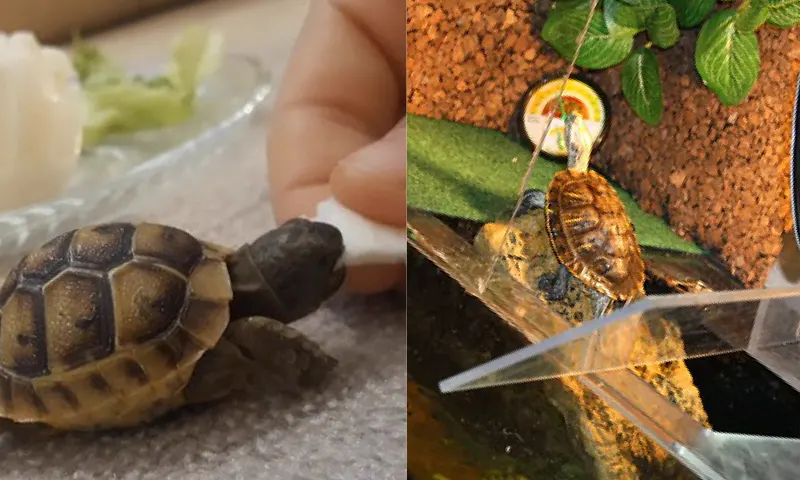
Another important point in caring for turtles at home is the right feeding schedule. Turtles, depending on their species, are fed both plant-based and animal-based foods. While aquatic turtles generally feed on greens such as water moss and lettuce, they should also be given animal-based foods such as insects or fish pieces to meet their protein needs. Terrestrial turtles, on the other hand, consume more vegetables and fruits; foods like lettuce, carrots, and squash are suitable for their healthy nutrition. In addition, you need to support your turtle's shell health by providing calcium supplements. Fresh and balanced food plays a critical role in protecting your turtle's health.
Cleaning and Health in Turtle Care
Regular cleaning and health checks should not be neglected when caring for turtles at home. Keeping the turtles' living space clean ensures their health. The water of aquatic turtles should be changed regularly, as dirty water can cause turtles to get sick. Similarly, it is important to keep terrestrial areas clean and regularly remove dirt such as leftover food. The shell health of turtles should also be closely monitored. If symptoms such as softening, discoloration, or cracks in the shell are noticed, veterinary assistance should be sought. Turtles that are regularly observed have an advantage in the early detection of diseases. Caring for turtles at home is a responsibility that requires patience and care. With the right environment, nutrition, and cleanliness, you can ensure that your turtle lives a healthy life for many years.