
Definition and Causes of Drought: Climate Change and Water Scarcity

Drought is a climatic event that occurs when there is less rainfall than normal or insufficient water resources in a specific region. Factors such as climate change, global warming, and excessive use of water resources are increasing the risk of drought worldwide. This situation can have serious effects on agriculture, water supply, energy production, and ecosystems.
Drought and Agriculture: Yield Loss, Food Security, and Economic Impacts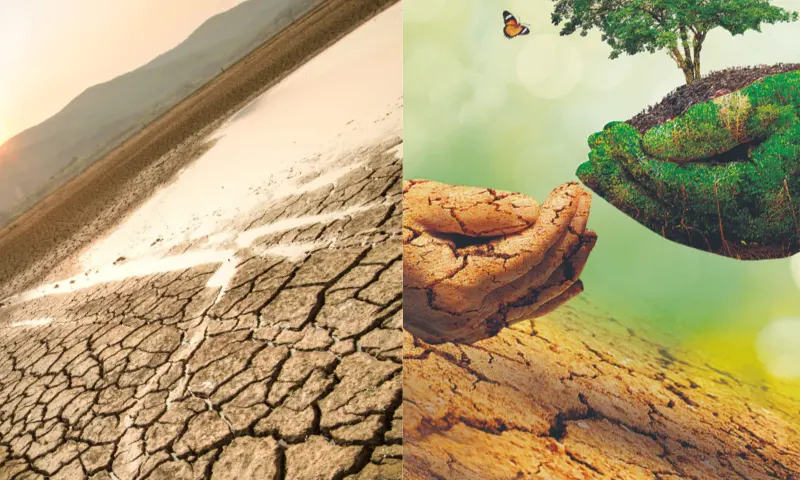
Drought is one of the most significant factors negatively affecting agriculture. Decreased rainfall and water resources can lead to yield loss in agricultural lands. When there is not enough water for irrigation systems, growing plants becomes difficult, which can lead to a decrease in food production and price increases. Drought directly affects the agricultural sector as well as negatively impacting economies dependent on this sector.
Ecological Effects of Drought and Water Resources: Natural Ecosystems and Water Crisis
Drought also significantly affects ecosystems and natural habitats. Decreasing water resources can lead to the drying of vegetation and habitat loss. This situation can reduce the chances of survival for many plant and animal species. Furthermore, drought can trigger a water crisis with the reduction of water resources and the drying up of water bodies. This situation creates difficulties in supplying drinking water for local communities and further exacerbates water scarcity. Drought is a significant environmental problem globally and can affect not just specific regions, but the entire world. The increasing risk of drought, coupled with climate change, makes measures such as sustainable water management, water conservation, and climate action even more important. These measures should include effective strategies to combat drought and solutions for the sustainable use of water resources.