
Jigsaw Puzzles: Where Fun and Mental Development Meet
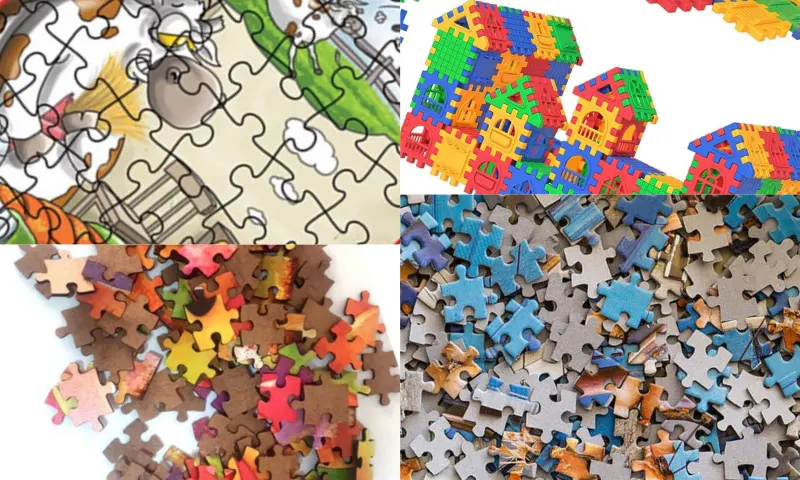
Jigsaw puzzles are a popular form of entertainment enjoyed by people of all ages. First used in the 18th century to assemble map pieces, jigsaw puzzles have evolved into a tool for both fun and education. Today, millions of people spend their time piecing together puzzles of various themes and difficulty levels, both for enjoyment and to enhance their mental skills. Their intricate nature requires focus, thereby increasing concentration, while the process of assembling pieces fosters patience and problem-solving abilities. Furthermore, when played with family members and friends, it transforms into an activity that strengthens social bonds. For information on this topic and to ask any questions you may have, you can explore relevant online companies on the internet and conduct a detailed review from there.
Mental and Emotional Benefits of Jigsaw Puzzles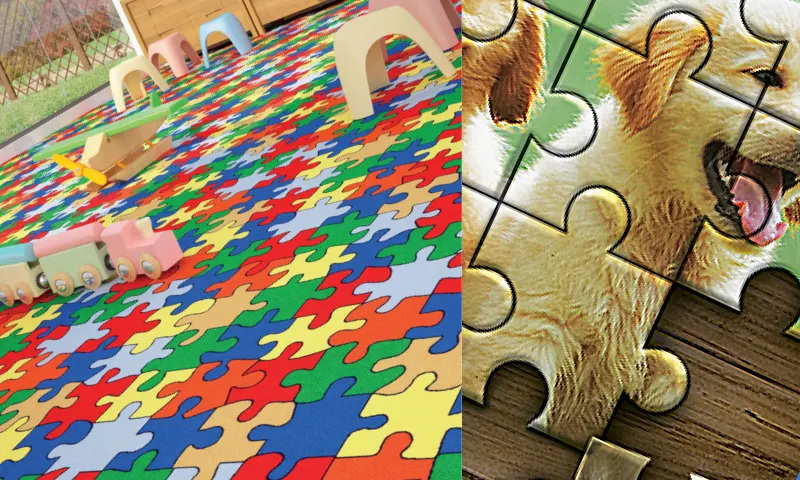
Jigsaw puzzles are not only entertaining but also beneficial for mental and emotional health. Research indicates that doing jigsaw puzzles stimulates both the right and left hemispheres of the brain simultaneously, thereby improving cognitive functions. While the right hemisphere focuses on creative thinking and visual perception, the left hemisphere supports analytical thinking and logical problem-solving skills. Additionally, when engaged in jigsaw puzzles, individuals concentrate their attention and distance themselves from mental fatigue. This state reduces stress levels and creates a meditative effect, making individuals feel more at peace. For children in particular, jigsaw puzzles help develop hand-eye coordination and fine motor skills, while for elderly individuals, they are beneficial for maintaining memory and cognitive sharpness.
Choosing the Right Jigsaw Puzzle and Tips for a Fun Experience
To get the most enjoyment from jigsaw puzzles, it is important to make the right choice. First and foremost, the number of pieces and the difficulty level of the puzzle should be appropriate for the player's age and experience. While 100-300 piece puzzles are an ideal start for beginners, advanced puzzlers can challenge themselves with puzzles over 1000 pieces. Furthermore, the theme and design of the puzzle are also important. Themes based on natural landscapes, works of art, or favorite movies can make puzzling more enjoyable. Using high-quality materials for the pieces enhances durability and facilitates the assembly process. Being patient while doing a jigsaw puzzle and carefully examining each piece offers a more enjoyable and effective experience. Additionally, creating a puzzle table or an organized space makes it easier to assemble the pieces systematically. Jigsaw puzzles can become more than just a simple entertainment tool; they can find a place in your life as a hobby that supports mental development and emotional balance.