Paper Production: A Process Brought to Life from Natural Resources

Paper Production Technologies
Paper production is a process that primarily utilizes wood fibers from trees. The first step involves debarking the wood and separating it into fibers. These fibers are then turned into pulp. While wood from trees has traditionally been used, recycled paper production has become widespread today. In recycled paper production, waste paper products are collected and made into pulp, which allows for more sustainable use of natural resources. The technologies used for paper production have evolved and modernized over time. In traditional methods, papermaking was often done by hand, whereas in industrial processes, papermaking is carried out by automated machines. The paper pulp is usually smoothed, dried on massive machine rollers, and then cut into large rolls. At this stage, coloring and special coatings can also be applied to give the paper the desired properties.
Sustainable Paper Production and Recycling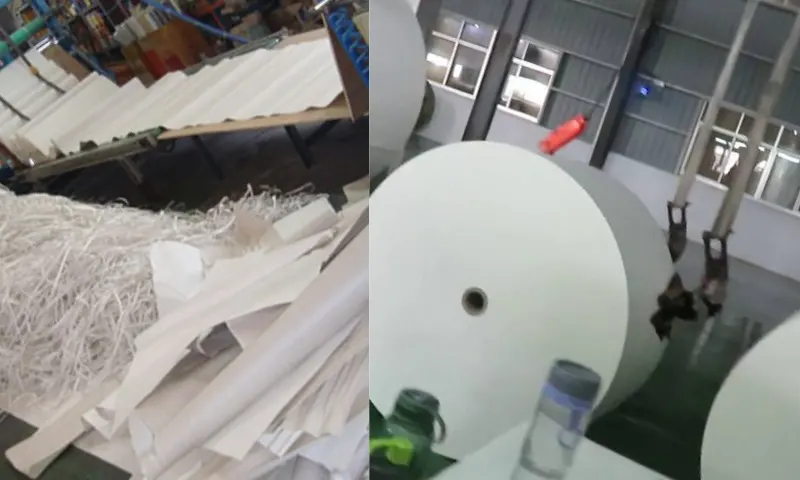
Environmentally friendly and sustainable paper production has become a significant issue in the industry today. Paper manufacturers, sensitive to issues of deforestation and depletion of natural resources, have moved towards adopting sustainable forestry practices. Furthermore, the use of recycled paper helps minimize environmental impacts by reducing waste. Sustainable paper production reflects efforts to conduct industrial activities in an environmentally friendly manner. Paper production is a complex process shaped by the effective use of natural resources, technological advancements, and eco-friendly practices. The sustainability of this process has become a key focus for both the industry and consumers, as conserving natural resources and environmental consciousness are among the defining factors for the future of paper production. For information on this subject and to ask your questions, you can visit the relevant online companies on web pages and examine them in detail from there.