
The History and Development of Paper
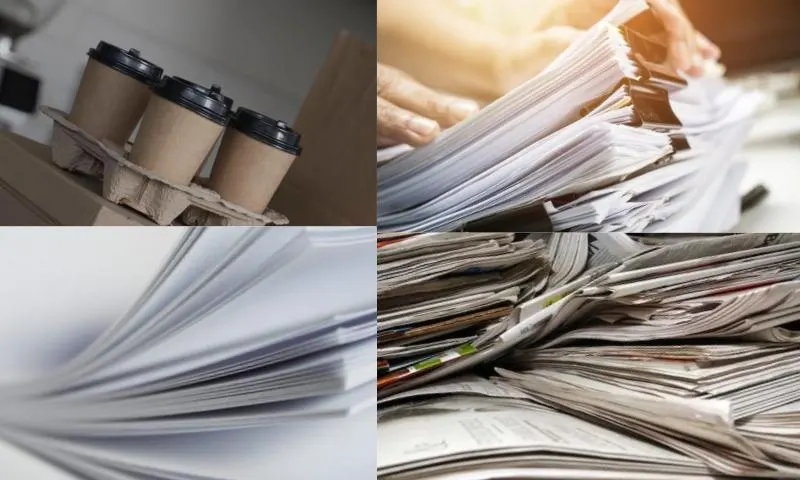
Paper is considered one of the most important inventions in human history. First invented in China in the 2nd century BC, paper gradually spread throughout the world and played a significant role in the advancement of civilizations. The invention of paper facilitated the recording, preservation, and dissemination of knowledge. Materials previously used, such as stone, clay tablets, and parchment, were not as practical and lightweight as paper. Starting from China, paper reached the Middle East and Europe via the Silk Road, and gained even more importance with the invention of the printing press in the 15th century. Paper production also developed during the Ottoman Empire, contributing to the increase in cultural and scientific studies. Today, paper production has become much faster and more environmentally friendly thanks to modern machinery and recycling processes. Various types of paper are produced, offering solutions for every need. For information on this subject and to ask your questions, you can visit the relevant online companies on web pages and review them in detail.
Areas of Paper Use
Paper appears in many areas of our lives. Education and written communication are among the most common uses of paper. Books, notebooks, newspapers, and magazines are produced using paper to convey and disseminate information. In offices, paper is an indispensable material for documents, invoices, and notes. Paper also holds an important place in art, being used in many creative works such as painting, sketching, and origami. The packaging industry also uses paper extensively. Cardboard boxes, bags, and packaging papers are paper products we frequently encounter in our daily lives. Furthermore, hygiene products, especially toilet paper, napkins, and paper towels, further increase the importance of paper in our lives. Paper is also used in the printing and archiving of official documents. Banknotes are also produced from special papers, becoming a part of the economic system. In short, paper continues to play a major role in all aspects of life.
Paper and the Environment
Paper production relies on natural resources, especially trees. Therefore, as paper consumption increases, its environmental impacts become significant. Recycling is of great importance to prevent deforestation and ensure a sustainable environment. Recycling used paper reduces the need for cutting new trees and saves energy and water. Today, many countries are trying to minimize their environmental impact by promoting the use of recycled paper. Furthermore, the widespread adoption of digitalization offers an environmentally friendly approach by reducing paper consumption. Although the need for paper has decreased thanks to computers, tablets, and e-books, paper still remains an important part of our lives. Conscious paper usage should be encouraged in schools and offices, and recycling should become a habit. Various campaigns are organized to prevent paper waste and sustainable production methods are being developed to protect nature.