
The Importance of Fiber-Rich Foods

Consuming fiber-rich foods is crucial for a healthy life. Fiber, as indigestible plant structures, supports gut health and facilitates digestion. Additionally, fiber helps balance blood sugar levels and supports weight management by providing a feeling of fullness for a long time. Foods rich in fiber include whole grains, legumes, vegetables, and fruits. Meeting daily fiber requirements not only protects digestive system health but also reduces the risk of heart disease and certain chronic conditions. For information on this topic and to ask your questions, you can check relevant online companies on web pages and review them in detail from there.
Benefits of Consuming Fiber-Rich Foods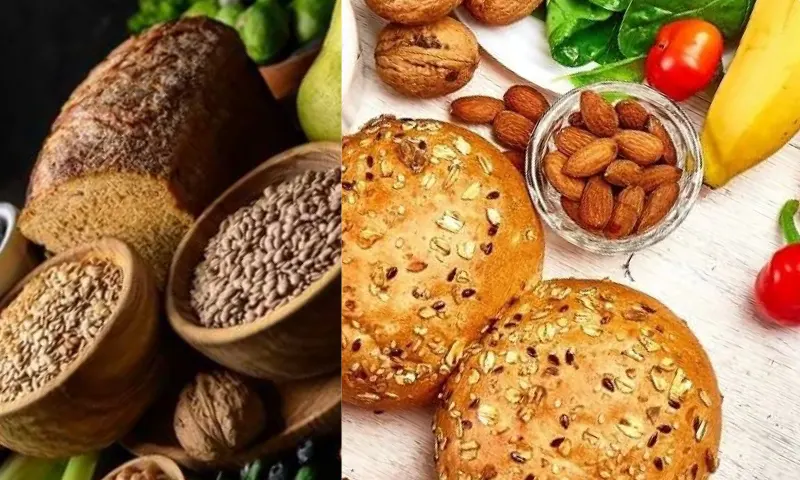
Consuming fiber-rich foods offers many health benefits. Primarily, it regulates bowel movements, preventing constipation and stomach discomfort. Fiber also contributes to lowering bad cholesterol and protecting cardiovascular health. For individuals with diabetes, fiber-rich foods play an important role in keeping blood sugar levels under control. Fiber also strengthens the immune system by helping beneficial bacteria in the digestive system multiply. Regular fiber consumption also positively impacts the healthy functioning of metabolism and weight management.
Methods of Consuming Fiber-Rich Foods
Consuming fiber-rich foods can be easily incorporated into daily nutrition. Eating whole-grain bread or oats for breakfast, and choosing legumes and vegetables for lunch and dinner increases fiber intake. Fruit consumption is also important for fiber; fruits with edible skins are particularly rich in fiber. When water consumption is increased along with fiber intake, the positive effects on the digestive system are enhanced. Avoiding processed foods and preferring natural, fresh foods increases the effectiveness of fiber-rich food consumption. Thus, both digestive health is protected, and overall quality of life is improved.