
Types of Lunar Eclipses?

A lunar eclipse is an astronomical event that occurs when the Moon enters the Earth's shadow. In this case, the Earth moves between the Moon and the Sun, blocking the sunlight that falls on the Moon. The Moon's surface begins to darken partially or completely in the Earth's shadow. A lunar eclipse can only occur when the Moon is in its full phase. During this event, the Moon can turn reddish, which is why it can also be called a "blood moon." Although lunar eclipses occur a few times a year, they are not visible everywhere. Such events can be better observed in specific geographical regions. Therefore, watching a lunar eclipse is usually a very special experience. You can check the relevant online companies on the internet pages to get information on this subject and ask your questions, and you can examine it in detail from here.
Types of Lunar Eclipses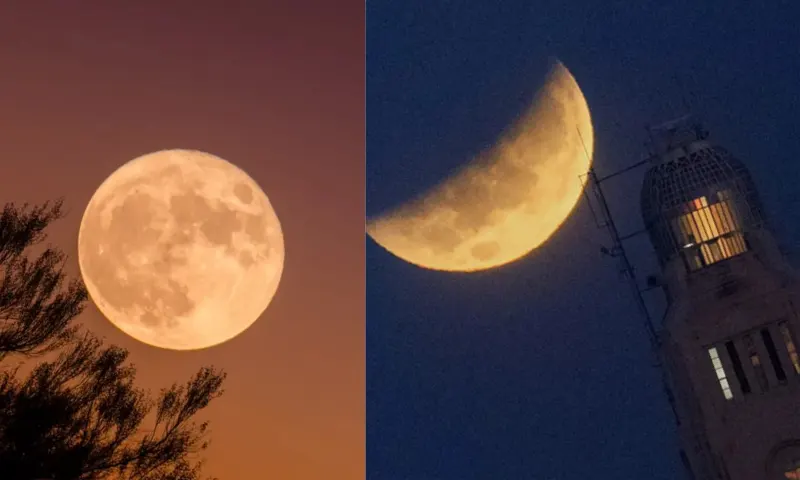
A lunar eclipse generally occurs in three different types: total, partial, and penumbral lunar eclipse.
- Total Lunar Eclipse: The Moon enters the Earth's full shadow and appears to be completely dark. These types of eclipses are the most dramatic, and the Moon usually turns red.
- Partial Lunar Eclipse: The Moon enters only a part of the Earth's shadow. In this case, a part of the Moon's surface appears dark, while the other part receives its normal light.
- Penumbral Lunar Eclipse: The Moon enters the outermost part of the Earth's shadow, called the penumbra. In this case, the darkening on the Moon is very slight and usually difficult to notice with the naked eye.
Cultural and Historical Significance of Lunar Eclipses
Throughout history, lunar eclipses have carried deep meanings for many cultures. Some societies considered lunar eclipses as bad luck or signs from the gods. For example, the ancient Egyptians interpreted lunar eclipses as the gods leaving the world or a harbinger of disaster. In Greek mythology, lunar eclipses were also seen as a sign of the gods' anger. In some societies, a lunar eclipse was accepted as the end of one era and the beginning of a new one. Today, this natural phenomenon is examined from a more scientific perspective with the development of science and astronomy. However, many cultures still have various mystical meanings for lunar eclipses. Beyond just being an astronomical event, a lunar eclipse has been a phenomenon shaped by people's beliefs and cultural perspectives throughout history. It holds an important place both scientifically and culturally.