Basic Principles of Pool Maintenance

Pool maintenance involves a series of operations that must be performed regularly to ensure a healthy and clean swimming environment. Maintaining clean and balanced pool water is of great importance for the health of users. For information on this topic and to ask your questions, you can look at related online companies on web pages and examine them in detail. Here are the basic principles of pool maintenance:
- Water Chemistry and pH Balance: The ideal pH level for pool water is between 7.2 and 7.6. The pH value indicates whether the water is acidic or alkaline, and maintaining balance ensures that the water is comfortable for the skin and eyes. Low pH levels can cause the water to be acidic and corrode, while high pH levels can cause the water to be alkaline and cloudy. Therefore, it is important to regularly measure the pH level and adjust it with the necessary chemicals.
- Chlorination and Disinfection: Disinfecting pool water prevents the growth of bacteria and microorganisms. Chlorine is a commonly used chemical for disinfecting pool water. A chlorine level between 1-3 ppm (parts per million) ensures that the water remains clean and healthy. Alternatively, ozone or UV systems can also be used. Regular inspection and maintenance of the disinfection system are critical for maintaining water quality.
- Filtration and Cleaning: An effective filtration system is necessary to keep the pool clean. Filters trap dirt and particles in the water, ensuring its cleanliness. Sand, cartridge, or diatomaceous earth filters are commonly used filter types. Regular cleaning and replacement of filters ensure the system operates effectively. Additionally, brushing and vacuuming the pool floor and walls help remove accumulated dirt from surfaces.
Seasonal Tips for Pool Maintenance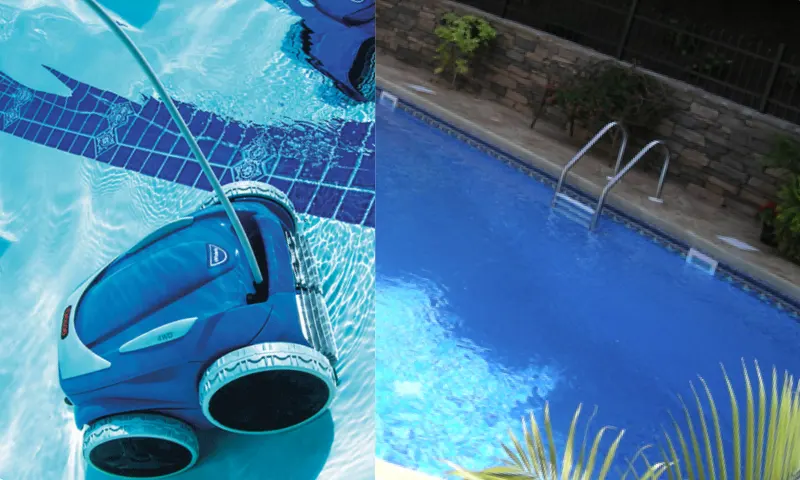
Pool maintenance can vary depending on the seasons. It is important to pay attention to seasonal tips to keep the pool clean and ready for use year-round. Here are some recommendations for pool maintenance during summer and winter months:
- Summer Pool Maintenance: Pool usage increases during the summer months, and maintaining water quality can be more challenging. Hot weather can cause water to evaporate and chlorine levels to drop rapidly. During this period, it is necessary to check pH and chlorine levels more frequently and clean the water regularly. Furthermore, using algaecides is beneficial to prevent algae growth. Regularly refilling the pool water is also important, as evaporation can lower the water level.
- Winter Pool Maintenance: Although not using the pool during winter months may reduce maintenance requirements, it is important not to neglect the water entirely. Covering the pool prevents leaves, dust, and other debris from entering the water, reducing the need for cleaning. Adding antifreeze to prevent the water from freezing during winter or partially draining the pool water are also good practices. Running the filtration system occasionally prevents the water from becoming stagnant and developing algae.
- Spring and Autumn Pool Maintenance: Spring and autumn are ideal times for seasonal pool preparations. In spring, the pool needs to be opened and prepared for the summer season. It is important to check the water level, clean the filtration system, and ensure the necessary chemical balance. In autumn, measures should be taken to close the pool, clean the water, and protect it during the winter. Detailed cleaning and maintenance during these periods ensure the longevity of the pool.
Tools and Equipment Used for Pool Maintenance
Pool maintenance can be made more effective and easier by using various tools and equipment. These tools play an important role in cleaning the pool, balancing the water, and maintaining filtration systems. Here are some commonly used tools and equipment for pool maintenance:
- Test Kits and Measuring Devices: Test kits and digital measuring devices are used to measure the pH, chlorine, and other chemical levels of pool water. These tools facilitate regular monitoring of water quality and making necessary adjustments. Test kits typically contain color-changing chemicals, allowing for a visual assessment of the water's chemical balance.
- Pool Brushes and Vacuums: Pool brushes and vacuums are used for cleaning the pool floor and walls. These devices, available in manual and automatic models, collect dirt and debris from the pool bottom. Automatic pool cleaners save the user time by ensuring pool cleanliness with less effort.
- Filtration Systems and Pump Equipment: Filtration systems and pump equipment, which ensure the pool water remains continuously clean and circulating, are among the most important parts of pool maintenance. While sand, cartridge, or diatomaceous earth filters purify the water by filtering it, pumps ensure water circulation. Regular maintenance and cleaning of these systems are critical for maintaining water quality.
Pool maintenance is an important process that must be performed regularly for a healthy and enjoyable swimming experience. Basic principles, seasonal tips, and the use of the right tools ensure the pool remains clean and safe.