The Purpose and Importance of Urban Transformation

Urban transformation is the process of converting old, dilapidated, or risky structures in cities into modern, safe, and livable areas. This process is of vital importance, especially in regions with a high risk of earthquakes. The aim is not only to renovate buildings but also to improve the quality of life, strengthen infrastructure, and enhance urban planning. Through urban transformation projects, higher quality living spaces are created in terms of both aesthetics and safety. Furthermore, this process is also important for environmental sustainability. By constructing modern and environmentally friendly buildings with high energy efficiency, contributions are made to the conservation of natural resources. You can examine this topic in detail by looking at the relevant online firms on internet pages to get information and ask your questions.
Steps Followed in the Urban Transformation Process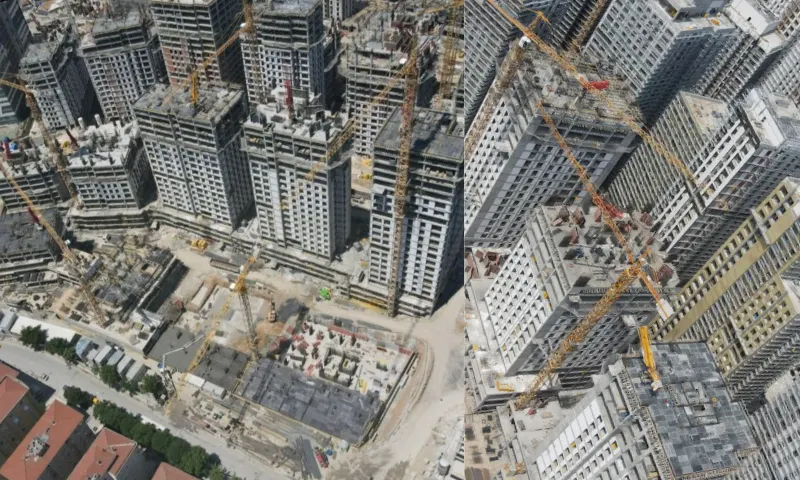
The urban transformation process is carried out in specific stages. The first step is the identification of risky structures and their documentation with technical reports. In this phase, building owners apply to authorized institutions to have their buildings inspected. For structures determined to be risky, a demolition decision is given, and a new construction plan is prepared. After the project is approved, the construction process begins. During this process, agreements are made between building owners and contractor firms, and the distribution of apartments and cost sharing are clarified. Additionally, state support and loan opportunities are offered within the scope of urban transformation. The transparent and fair execution of all these steps increases both the speed and success of the project.
Social and Economic Contributions of Urban Transformation
Urban transformation provides significant benefits not only for individuals but also for society and the economy. The creation of safe and modern living spaces reduces the risk of casualties in natural disasters such as earthquakes. At the same time, new projects increase the economic value of the region and create dynamism in the real estate market. Infrastructure renewals, improvements in transportation and social facilities enhance the quality of life. Moreover, urban transformation projects create employment in the construction sector and contribute to the local economy. New structures built with environmentally friendly technologies provide energy savings and offer long-term economic benefits. For these reasons, urban transformation is an indispensable step for the future of cities.