
Honeycomb Honey: A Gem of Nature's Purest Tastes

Honeycomb honey is one of the purest and most natural types of honey, produced by bees and stored in honeycombs. Honeycomb honey is found in natural honeycombs created by bees processing nectar collected from flowers in their hives. Here are the health benefits, production process, and consumption recommendations for honeycomb honey. For information on this topic and to ask your questions, you can look at relevant online companies on internet pages and examine them in detail.
Health Benefits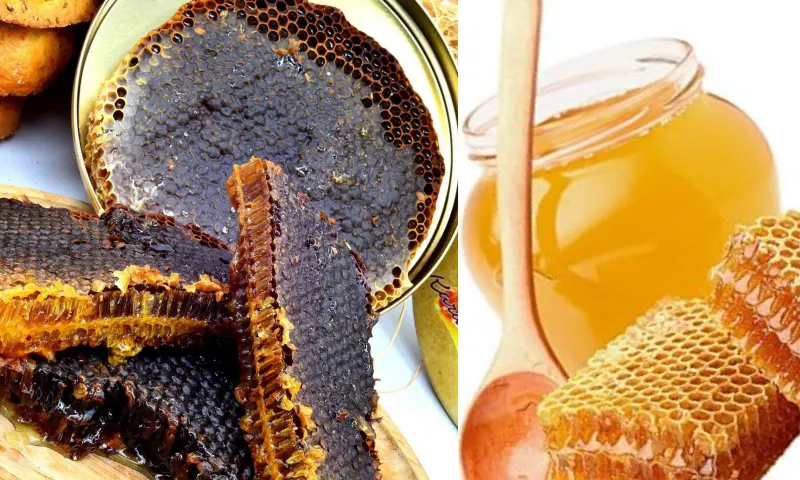
- Antioxidants: Honeycomb honey is rich in antioxidants and supports health by fighting free radicals in the body.
- Natural Sugar Source: Honeycomb honey, which is naturally high in sugar content, provides energy and quickly supplies energy to the body.
- Strengthening the Immune System: Honeycomb honey strengthens the immune system and provides protection against diseases thanks to the nutrients it contains.
- Anti-bacterial Properties: The anti-bacterial properties of honeycomb honey protect the digestive system and the body in general.
Production Process and Consumption Recommendations
The production of honeycomb honey begins with bees collecting nectar from flowers and transporting it to their hives to store in honeycombs. While storing nectar, bees turn it into honey with the enzymes they secrete. This honey is stored in honeycomb cells and left to dry. Finally, the honeycombs are cleaned and presented as honeycomb honey for consumption. Honeycomb honey can be consumed in its natural state, or it can be added to beverages or foods such as tea or yogurt. Chewing the honeycomb cells directly within the honeycomb honey allows you to experience the taste and nutritional properties of honey more intensely. Since honeycomb honey is sensitive to heat and processing, it should be stored and consumed at low temperatures. Honeycomb honey is one of the most valuable and nutritious foods nature offers us. However, it is important to check for allergies before consuming honey.