Best Foods to Lower Cholesterol: A Healthy Eating Guide
Foods high in fiber are among the most effective nutrients that can help lower cholesterol. Soluble fiber, in particular, binds with bile acids in the intestines, preventing their reabsorption, which causes the body to use more cholesterol. Foods like oatmeal, barley, legumes, apples, and pears are rich in soluble fiber. Consuming 5-10 grams of soluble fiber per day can significantly lower LDL (bad) cholesterol levels. Additionally, high-fiber foods create a feeling of fullness, reducing the tendency to overeat, which supports healthy weight management. Regular consumption of these foods not only helps keep your cholesterol levels in check but also improves your overall heart health. You can refer to relevant online companies on internet pages to get information on this topic and ask your questions, and examine them in detail from here.
Healthy Fats: Omega-3 and Monounsaturated Fats
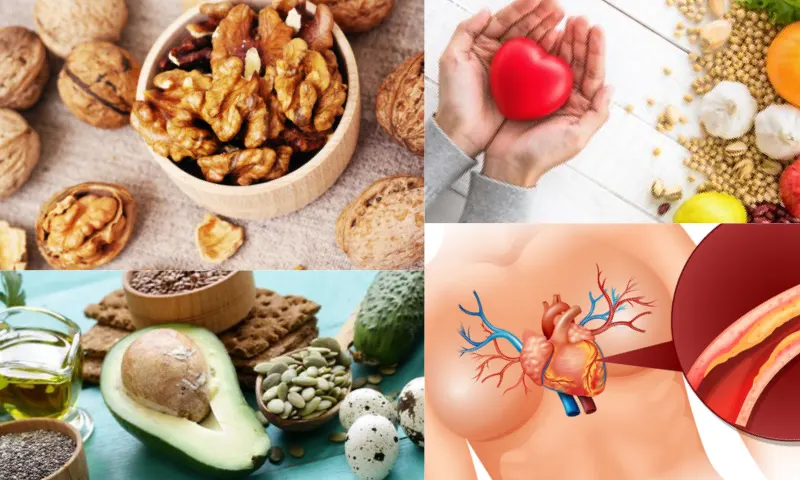
Healthy fats are key to improving cholesterol levels. Omega-3 fatty acids lower triglyceride levels, regulate heart rhythm, and reduce inflammation. Fatty fish such as salmon, mackerel, and sardines are known for their high omega-3 content. Eating fish at least twice a week can help protect your heart health. Additionally, plant-based sources like walnuts, flaxseeds, and chia seeds are also rich in omega-3. Monounsaturated fats lower LDL cholesterol while increasing HDL (good) cholesterol levels. Foods like olive oil, avocado, and almonds are excellent choices containing these healthy fats. By incorporating these foods into your diet, you can lower your bad cholesterol levels and support your heart health.
Antioxidants and Plant Sterols: Natural Cholesterol Regulators
Antioxidants and plant sterols are compounds effective in naturally regulating cholesterol levels. Antioxidants reduce oxidative stress caused by free radicals, preventing LDL cholesterol from damaging blood vessel walls. Foods like blueberries, strawberries, spinach, and broccoli contain powerful antioxidants. Regular consumption of these foods helps protect your heart health. Plant sterols, on the other hand, reduce cholesterol absorption, thereby lowering LDL cholesterol levels. Vegetables, fruits, nuts, and seeds contain natural plant sterols. Additionally, margarines and dairy products enriched with plant sterols can also be added to your diet. Consuming these foods daily contributes to keeping your cholesterol levels in check and improving your overall health status.
It is important to review your dietary habits and incorporate healthy foods into your diet to lower cholesterol. High-fiber foods, healthy fats, and antioxidants with plant sterols can be effective in lowering your cholesterol levels. By regularly consuming foods such as oatmeal, fatty fish, olive oil, walnuts, and blueberries, you can keep your LDL cholesterol levels under control and protect your heart health. Adopting healthy eating habits will not only improve your cholesterol levels but also your overall health status. Therefore, creating a balanced and nutritious diet plan will help you achieve your long-term health goals.