The First Step of Digestion: A Journey Starting from the Mouth
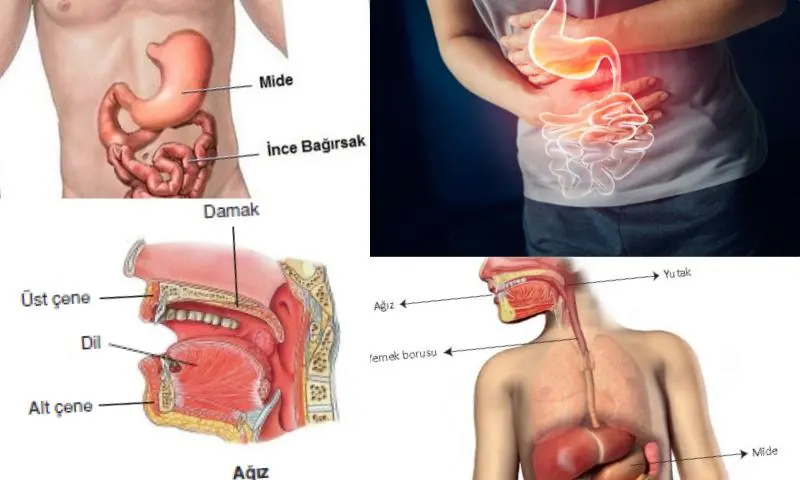
The digestive system is a complex and vital system that converts food into a usable form for the body. The first step of this process begins in the mouth. While teeth mechanically break down and grind food, enzymes in saliva initiate the first steps of chemical digestion. The tongue shapes the food into a bolus for swallowing and directs it towards the pharynx. With the swallowing reflex, food moves from the esophagus to the stomach. Digestion has not fully begun at this stage, but the preparatory process is largely complete. The mouth and esophagus are critical areas where digestion is initiated both physically and chemically. Any problem occurring at this stage can affect the entire digestive process. Therefore, healthy teeth, adequate saliva production, and a strong swallowing reflex are very important for digestion. To get information on this topic and ask your questions, you can look at related online companies on internet pages and examine them in detail from here.
Stomach and Small Intestine: The Real Digestion
Food that reaches the stomach continues to be broken down here by stomach acid and enzymes. The stomach muscles mix the food, turning it into a semi-liquid state. This mixture is then sent to the small intestine. The small intestine is the most crucial part of digestion. Enzymes secreted by organs like the pancreas and gallbladder break down proteins, fats, and carbohydrates. Thus, the beneficial substances in food are converted into a form that can be absorbed into the bloodstream. Absorption occurs through structures called villi on the surface of the small intestine. Through this, glucose, amino acids, vitamins, and minerals pass into the bloodstream and are transported for use by the body. During this process, the digestive system absorbs not only food but also water.
The Large Intestine and the Final Stage of Digestion
The waste remaining after digestion is collected in the large intestine. In this section, most of the water is absorbed, and the waste materials become solid. Beneficial bacteria living in the large intestine break down some indigestible fibers, supporting immunity and contributing to gut health. The remaining residue moves towards the rectum and is eliminated from the body through feces. This final stage of the digestive system is of great importance for detoxifying the body and maintaining water balance. Balanced nutrition, adequate water intake, and regular exercise are essential for healthy digestion.