
Difference Between Galvanized Sheet and Cold Rolled Sheet
Reason for Preferring Galvanized Sheet
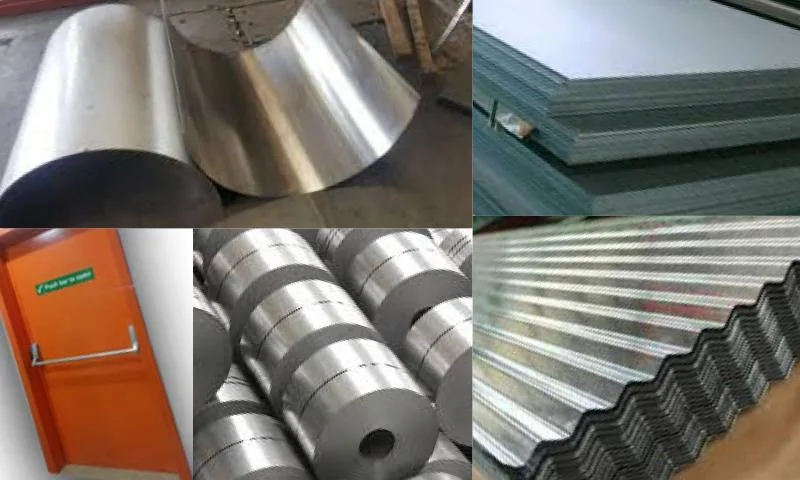
The difference between galvanized sheet and cold rolled (DKP) sheet lies in their steel structure. While heat treatment is applied to DKP sheets, a hot-dip process is applied to galvanized sheets. The hot-dip process refers to the coating of steel or iron with zinc, which is immersed in a zinc bath at a temperature of 460 degrees Celsius. This is the difference between the two. Galvanized sheet is preferred for its durability, light weight, high strength, and environmental friendliness. You can reach this product, which is highly preferred for its quality and affordability, at .
Galvanized sheet is used in the automotive industry, ventilation systems, electrical boxes, prefabricated structures, and children's playgrounds. DKP sheets, on the other hand, are preferred in durable home appliances, in the production of parts requiring spinning, and in industrial areas requiring high durability. They are also used in kitchenware that does not lose nutritional value, in the production of white goods, and in office furniture. The differences between them become more apparent according to their areas of use.
Considerations When Using Galvanized Sheet
Galvanized sheet provides ease of storage due to its small footprint. It increases the load-bearing capacity of products. Galvanized sheets, with their long service life, are environmentally friendly and protect products from external factors. It has the feature of being cut to the desired dimensions. It ensures the production of flat sheets in long lengths. It saves time and labor in areas requiring continuous operation. It allows for wide slitting according to the intended use. Considerations when using galvanized sheet include: it should be stored in closed areas and kept away from water and moisture as much as possible. The vicinity of the sheet should be free from humidity. Precautions against water and moisture should be taken during transportation. It should not be kept in places with significant temperature differences. Materials stored in warehouses should be cleaned every 2 months for long-term use.